
Three swords pierce a red heart against a grey, rainy sky. The Three of Swords is one of the most instantly recognisable cards in tarot, and one of the most dreaded. It’s the heartbreak card. Yet like most difficult cards, it’s more useful than frightening once you understand it. It names pain honestly, and naming pain is usually the first step toward healing. This guide explains the card in love, feelings, career and yes or no readings.
The image
The card shows nothing but a heart, three swords and a stormy sky. No people, no landscape. That simplicity is deliberate: the card is about an emotional experience in its rawest form. The swords represent words, thoughts and truths, which is why the Three of Swords often points to pain caused by something said, discovered or realised.
Core meanings
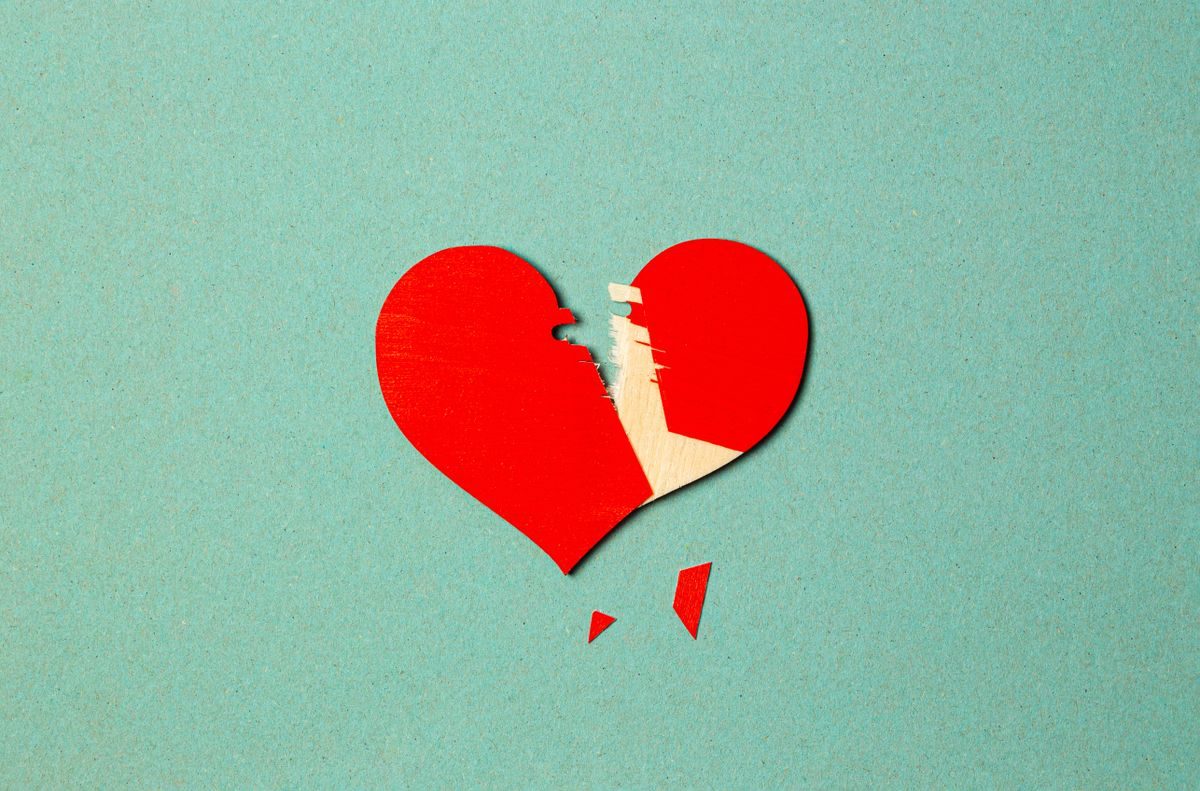
- Heartbreak and emotional pain
- Grief and sorrow
- Painful truth or revelation
- Hurtful words
- Separation or rejection
Three of Swords in love
In a relationship: hurt within the relationship. That might be an argument, a betrayal, a painful conversation, or one partner feeling neglected. It doesn’t always mean the end; it means something painful needs facing.
Dating: disappointment or rejection, or discovering something hurtful about someone.
Single: often points to past heartbreak that still affects you. The card may be saying that old pain needs healing before new love can grow.
Love triangles: the three swords are sometimes read as three people, so the card can point to a third person causing hurt.
Three of Swords as feelings
When this card represents someone’s feelings:
- They may be hurt, possibly by you, possibly by something else.
- They may be carrying past heartbreak that makes them guarded.
- They may feel sorrow or regret about how things went.
It doesn’t mean they don’t care. Hurt often comes from caring. Read the cards around it to understand the source. Our guide on reading feelings in tarot explains how.
Three of Swords reversed
- Healing. The pain is easing; recovery has begun.
- Forgiveness. Letting go of hurt, toward yourself or others.
- Releasing grief. Finally processing something you’d buried.
- Suppressed pain, in some readings: hurt being pushed down rather than dealt with.
In most readings, reversed Three of Swords is a hopeful sign. The storm is passing.
Three of Swords in career
At work, the card can mean disappointment: a rejection, harsh feedback, a falling-out with a colleague, or a project that ends painfully. It may also reflect feeling hurt by how you’ve been treated. Reversed, it suggests recovering from a work setback and learning from it.
Yes or no
Upright, the Three of Swords is a no; hurt is likely. Reversed, it’s “no, but healing”, which can lean toward yes over time. See Minor Arcana yes or no meanings.
Position guide
| Position | Upright Three of Swords |
|---|---|
| Past | Old heartbreak still influencing the present |
| Present | Pain or sorrow you’re going through now |
| Their feelings | Hurt, guarded, carrying sorrow |
| Obstacle | Unhealed pain blocking progress |
| Advice | Face the hard truth; let yourself grieve |
| Outcome | A painful development ahead, unless things change |
Cards that soften or worsen it
- + The Star: healing after heartbreak. See the Star as feelings.
- + Six of Swords: moving on from the pain.
- + Temperance: gradual healing and balance.
- + Two of Cups: love complicated by hurt, possibly reconciliation after pain. See Two of Cups meaning.
- + The Tower: sudden painful revelation. See the Tower in love.
- + Ten of Swords: a definite, painful ending.
- + Seven of Swords: hurt from deception.
A worked example
Question: “Why can’t I seem to let anyone new in?”
- Root: Three of Swords (past heartbreak)
- How it shows up: Nine of Wands (defensive, guarded)
- Way forward: Strength (gentle courage)
Reading: An old heartbreak is still shaping how you approach love. You’ve become defensive to avoid being hurt again. The way forward is gentle, patient courage: not forcing yourself to open up overnight, but taking small steps to trust again. Our guide to tarot for breakups and moving on has a healing spread.
Working with the Three of Swords
- Acknowledge the pain. Pretending it doesn’t hurt usually makes it last longer.
- Talk about it. With friends, family or a counsellor.
- Write it out. Journaling helps process the words and thoughts the swords represent.
- Be patient. Healing takes time.
- Look for the lesson, when you’re ready. Not to excuse hurt, but to grow from it.
Three of Swords as advice
As an advice card, the Three of Swords can sound harsh, but its message is usually about honesty. It may be telling you to say the difficult thing, or to stop avoiding a truth you already know. Sometimes the kindest path involves a short, sharp pain now to avoid a longer, duller one later. That might mean ending something that isn’t working, or finally having the conversation you’ve been dreading. Do it with care, but do it.
Is the Three of Swords always bad?
It’s never a comfortable card, but it’s honest. It can warn you of hurt ahead so you can prepare, or confirm that what you’re feeling is real and valid. Many people find a strange relief in seeing it: the cards are acknowledging what they’re going through. And in the Minor Arcana’s story, the Three of Swords is followed by the Four of Swords, rest and recovery.
If you’d like help reading this card in your own spread, try a free tarot reading on Tarotell.me, which reads each card for its position and your question.
Have a question on your mind? Ask it in your own words, choose your cards from the 1909 deck and get a free reading written for your situation.
Frequently asked questions
Does the Three of Swords mean a breakup?
It means heartbreak or emotional pain, which can include a breakup, but also arguments, disappointments or old wounds.
What does the Three of Swords mean as feelings?
Hurt, sorrow or guardedness, often from past or present pain.
Is the Three of Swords reversed positive?
Usually. It suggests healing, forgiveness and releasing grief.
Can the Three of Swords mean a third person?
Some readers interpret it as a love triangle or outside interference, especially alongside the Seven of Swords or the Lovers reversed.
Is the Three of Swords a yes or no?
Upright, no. Reversed, “no, but healing”.