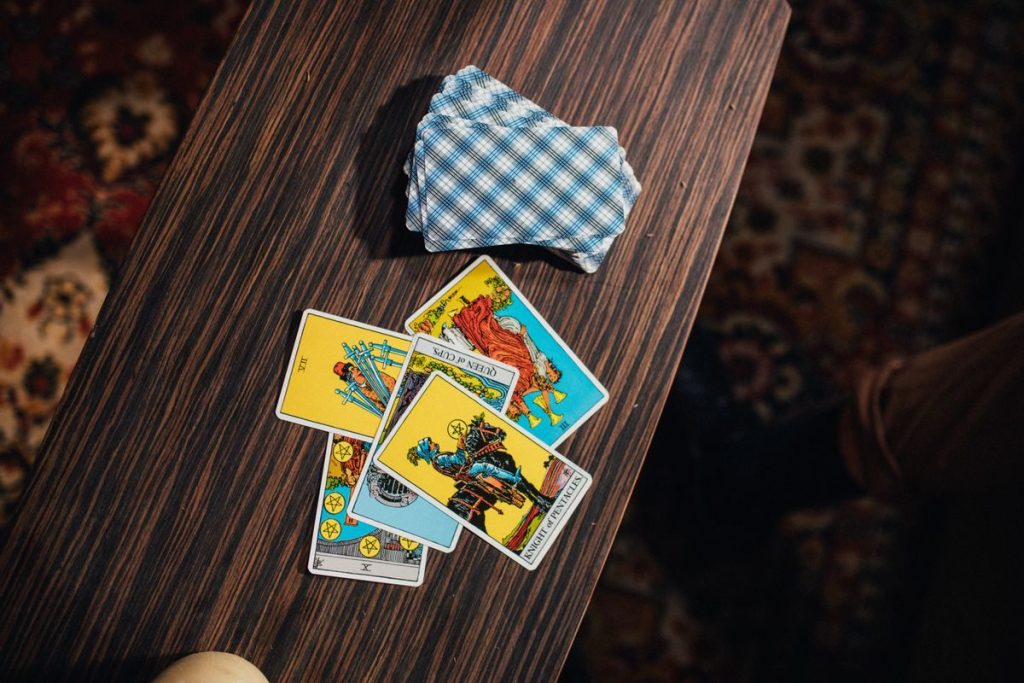
Money worries are one of the most stressful parts of life, and one of the most common reasons people turn to tarot. A money reading can’t pick stocks, predict your bank balance or replace a financial adviser. What it can do is help you look honestly at your habits, fears and options, which is often where the real change starts. This guide gives you a money spread, explains the key cards, and shows how to use the reading responsibly.
An important note
Tarot is a reflection tool, not financial advice. For decisions about investments, loans, debt repayment or taxes, speak to a qualified professional or a reputable free advice service. Use the cards to think more clearly about your situation and to notice patterns, then make decisions based on real numbers.
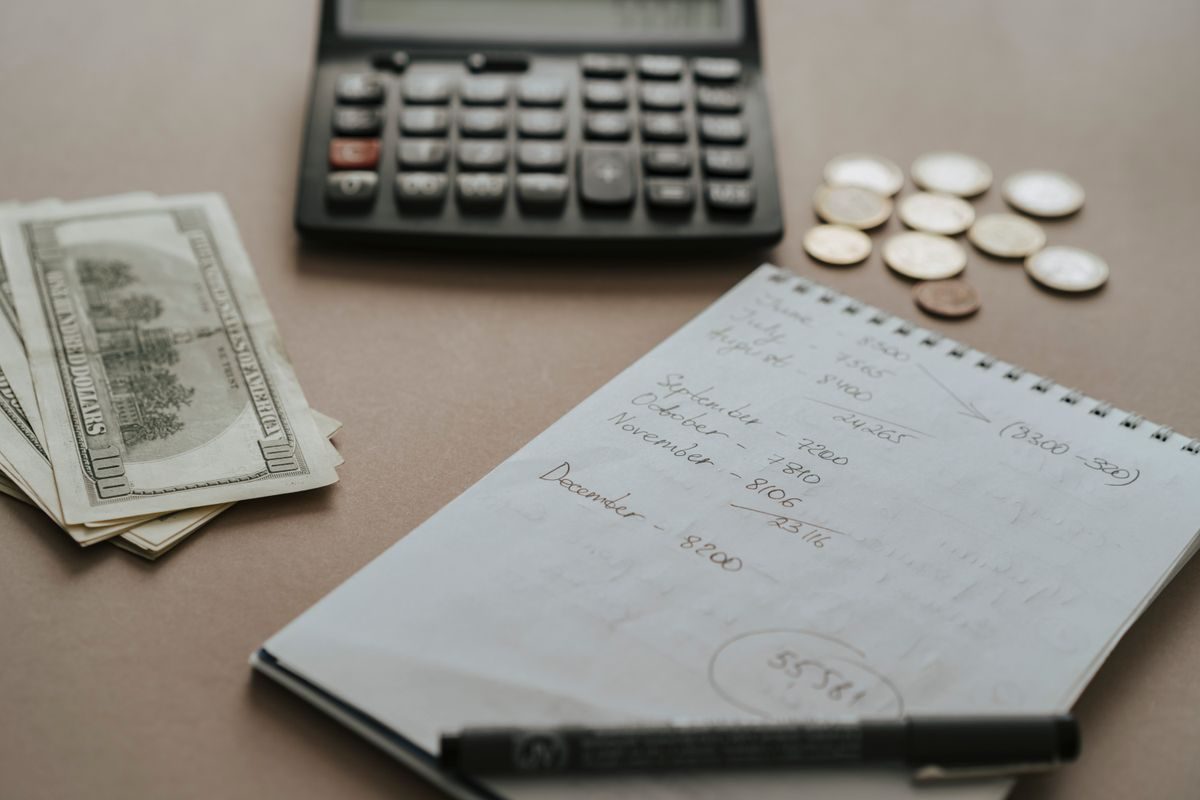
What a money reading is good for
- Noticing emotional patterns around money: fear, avoidance, impulse spending.
- Spotting what’s draining your finances.
- Exploring whether an idea, like a side hustle, fits you.
- Choosing a focus for the month: saving, earning, cutting back.
A five-card money spread
| Position | Meaning |
|---|---|
| 1. My money situation now | How things really stand |
| 2. My money mindset | Beliefs and feelings driving my choices |
| 3. What’s draining me | Where money, energy or attention is leaking |
| 4. What will help | A habit, resource or opportunity |
| 5. Focus for this month | One practical priority |
Tarotell.me’s free tarot reading has a Money option under Work & money for side hustles, saving and money worries.
The Pentacles suit and money
Pentacles are the money suit. A quick guide:
- Ace: a new financial opportunity.
- Two: juggling bills and priorities.
- Three: earning through skill and teamwork.
- Four: saving, security, sometimes holding on too tightly.
- Five: hardship or fear of scarcity. See Five of Pentacles meaning.
- Six: giving and receiving; loans, gifts, fairness.
- Seven: patience; investments of time and effort growing slowly.
- Eight: hard work and building skills that pay.
- Nine: independence and comfort earned.
- Ten: long-term wealth, family security.
- Page: learning about money, a small start.
- Knight: slow, steady progress.
- Queen: practical, caring money management.
- King: financial success and stability.
Savings questions
For saving, encouraging cards include the Four of Pentacles (security), Seven of Pentacles (patience), Knight of Pentacles (consistency) and Nine of Pentacles (independence). Warning cards include the Seven of Cups (distractions, impulse buys) and the Two of Pentacles reversed (losing track).
A good question: “What’s the biggest thing stopping me from saving each month?”
Debt questions
Debt readings work best when they focus on mindset and next steps. Useful questions:
- “What do I need to face about my debt?”
- “What’s the first practical step to reduce it?”
Cards like the Eight of Swords (feeling trapped) often appear, and they usually suggest that the situation feels worse than it is and that options exist. Justice points to fair agreements and getting the facts straight. The Six of Pentacles can suggest seeking help or negotiating.
Side hustle questions
Side hustles are a great fit for tarot because they involve your skills, energy and time. Try this three-card version:
- Is this idea a good fit for me?
- What will make it work?
- What could make it fail?
Strong cards for side hustles: Ace of Wands (inspiration), Three of Pentacles (skill), Eight of Pentacles (dedication), the Magician (resourcefulness). Warning cards: Ten of Wands (overload), Seven of Cups (too many ideas), Knight of Wands reversed (burning out fast).
A worked example
Question: “How can I get on top of my money this month?”
- Situation: Two of Pentacles (juggling bills)
- Mindset: Nine of Swords (anxiety)
- Draining me: Seven of Cups (scattered spending, subscriptions, impulse buys)
- What will help: Queen of Pentacles (practical, caring management)
- Focus: Page of Pentacles (learn and track)
Reading: You’re juggling and anxious about it. Small scattered spending is the main leak. The fix is practical and kind to yourself: track spending for a month, cancel what you don’t use, and treat money like something you care for rather than fear.
Money mindset cards
Position 2 in the spread, your money mindset, often explains more than any other card. A few common ones:
- Four of Pentacles: fear of losing what you have; difficulty spending even on things that matter.
- Nine of Swords: anxiety; avoiding looking at your accounts.
- Seven of Cups: wishful thinking; hoping something will come along.
- Knight of Wands: impulsive; quick decisions without planning.
- Queen of Pentacles: a healthy, practical relationship with money.
Once you see the pattern, it’s easier to change. Someone with a Nine of Swords mindset, for example, might start with a ten-minute weekly money check to make the numbers less frightening.
Using a daily card for money habits
If you’re trying to change a money habit, a free daily card can work as a gentle reminder. Before checking it, ask “What do I need to remember about money today?” A Pentacles card might be a nudge to stick to the budget; a Cups card might be a reminder that you’re spending to manage feelings.
Cards that warn about money
Some cards suggest caution: the Five of Pentacles, the Devil (debt traps, overspending), the Seven of Swords (scams, dishonesty), the Tower (sudden expense) and the Ten of Wands (financial burden). We cover these in tarot cards that warn about money.
Quick money questions
For a quick decision like “Should I buy this now or wait?”, the free yes or no tarot works well. Our guide to yes or no questions that work has money examples.
Got a work or money decision on your mind? Ask it in your own words and get a reading written for your situation.
Frequently asked questions
Can tarot predict money?
It can’t predict amounts or market movements. It’s useful for reflecting on habits, mindset and options.
Which tarot card means money is coming?
The Ace of Pentacles is the classic sign of a new financial opportunity. The Six and Ten of Pentacles are also positive.
What does the Devil mean in a money reading?
Unhealthy patterns like overspending, debt traps or feeling chained to a situation.
Should I make financial decisions based on tarot?
Use it for reflection. Make decisions with real numbers and, when needed, professional advice.
Is tarot good for side hustle ideas?
Yes. It can help you think through fit, strengths and risks before starting.